


ECD-4-nano
Battery Test Cell for Measuring the Electrode Expansion
Dilation Sensor Range:
0 μm
+ 125 μm
- 125 μm
PAT-Cell
Measure the Half-Cell Expansion
Upper Electrode
Lower Electrode
Or Measure the Full Stack
Additional Sensors:
-20 °C
ECD-4-nano
Battery Test Cell for Measuring the Electrode Expansion
+80 °C
Temperature Sensor
Gas Pressure Sensor
3 bar
0



Typical Use Cases
- Measuring the Expansion of a Single Electrode (3‑electrode Setup)
- Measuring the Expansion of the Full Cell Stack (2‑electrode Setup)
- Electrochemical testing with aprotic electrolytes
Key Features
Capacitive displacement sensor (range 250 μm, resolution ≤ 5 nm)
Additional gas pressure (0 to 3 bar) and temperature sensor (-20 to 80° C)
Cableless cell connection for easy handling and low setup time
Adjustable force on electrode/cell stack (up to 20 N/cm²)
PAT-Button for automatic cell identification in EL-Software
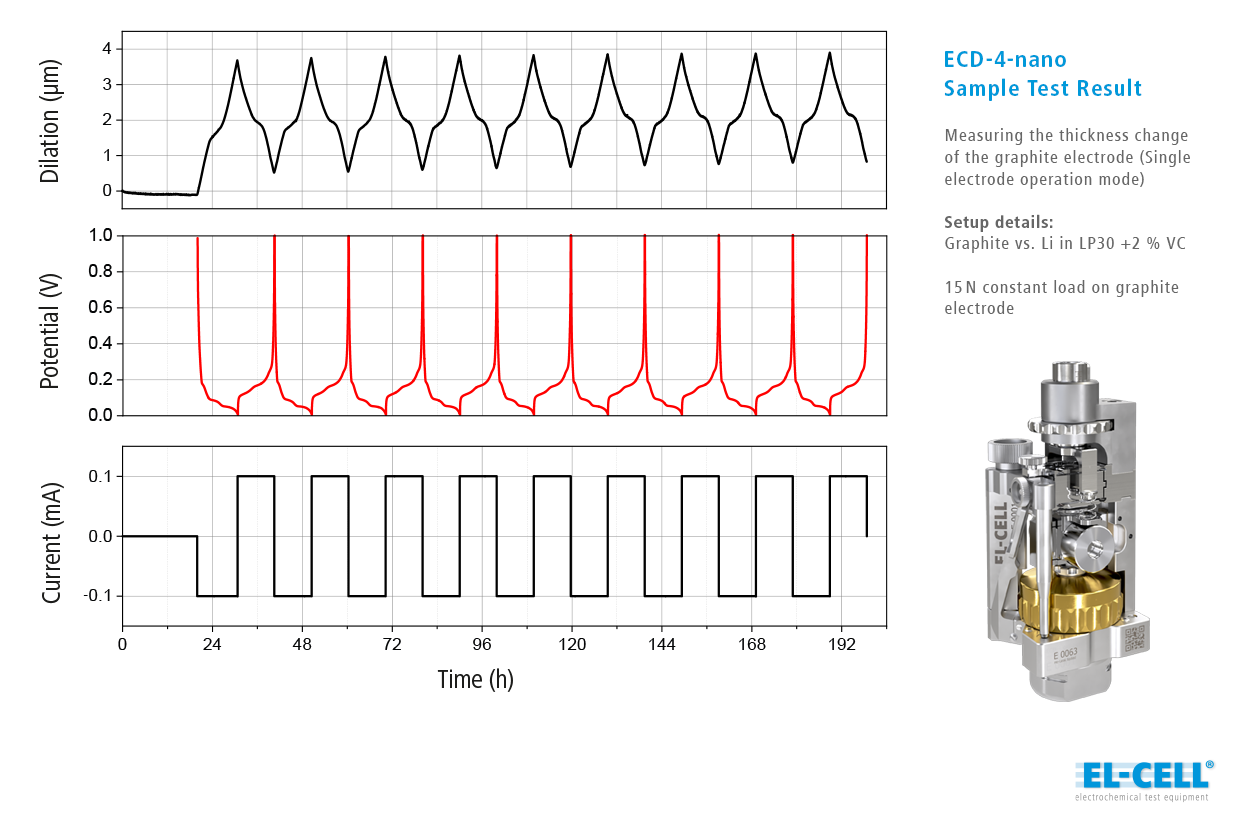
Sample Test Results
Product Description
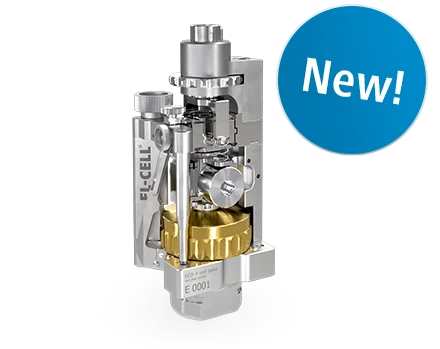
The ECD‑4‑nano is a high‑resolution electrochemical dilatometer for quantifying thickness changes with a resolution of better than 5 nanometers. It can measure either the thickness change of the individual electrode or that of the cell stack consisting of anode and cathode. Its capacitive parallel plate sensor offers exceptional stability and sensitivity while the force applied to the electrode can be continuously adjusted between 1 and 15 N (up to 20 N/cm²). This means that even single-sided coated and heavily calendered electrodes, which can bend significantly during charging, can be measured.
Additional sensors for gas pressure and temperature are installed as standard, supplementing the options for sample characterization.
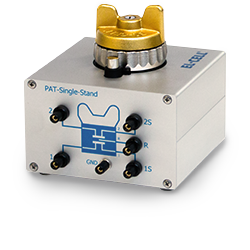
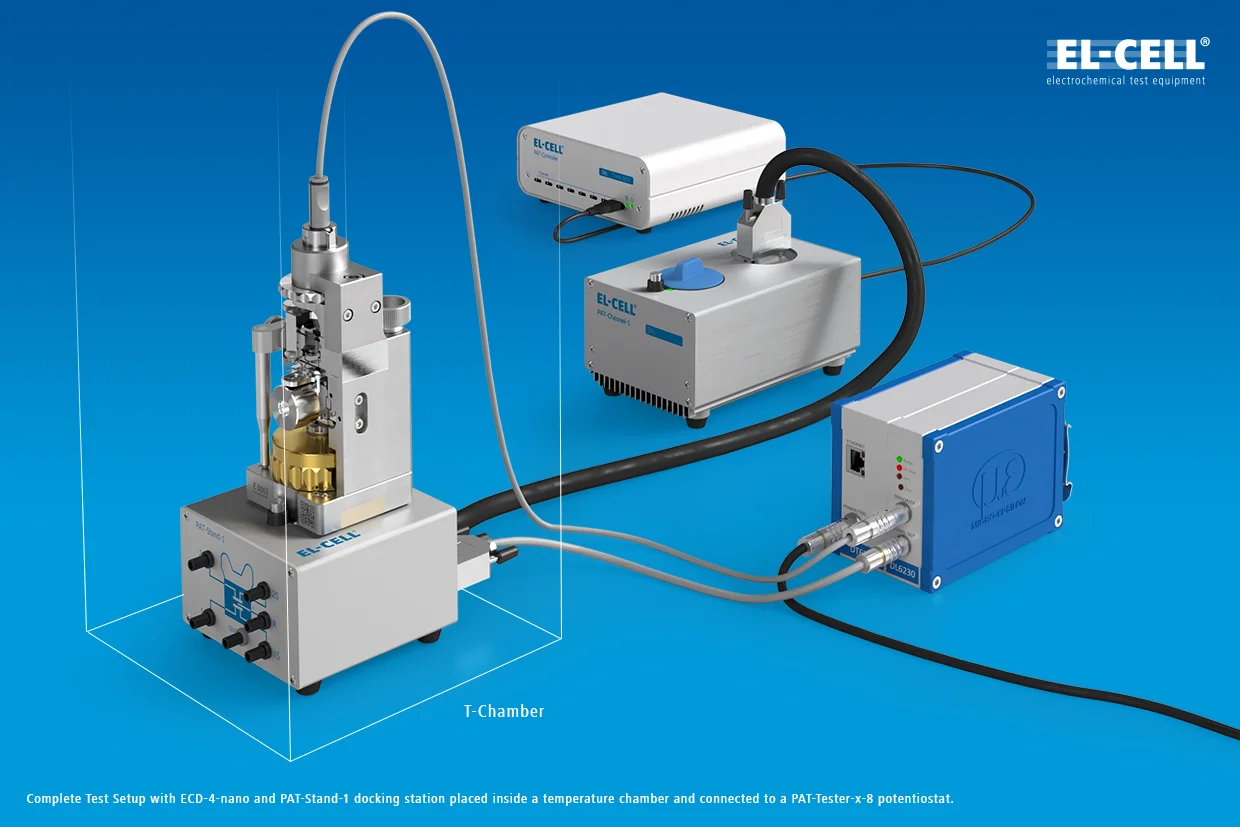
The test cell features a corrosion‑resistant base and offers superior tightness against ambient athmosphere, enabling stable long‑term operation and compatibility with a wide range of electrolytes. The ECD‑4‑nano is connected cablelessly to the PAT socket of a PAT-tester-x-8 or PAT‑Stand‑1 to minimize cable‑induced artifacts and simplify handling and installation. The integrated PAT-Button enables automatic cell detection in EL-Software.
Product Update 2025: What’s new?
New features:
- Adjustable Force 1-15 N
Improvements:
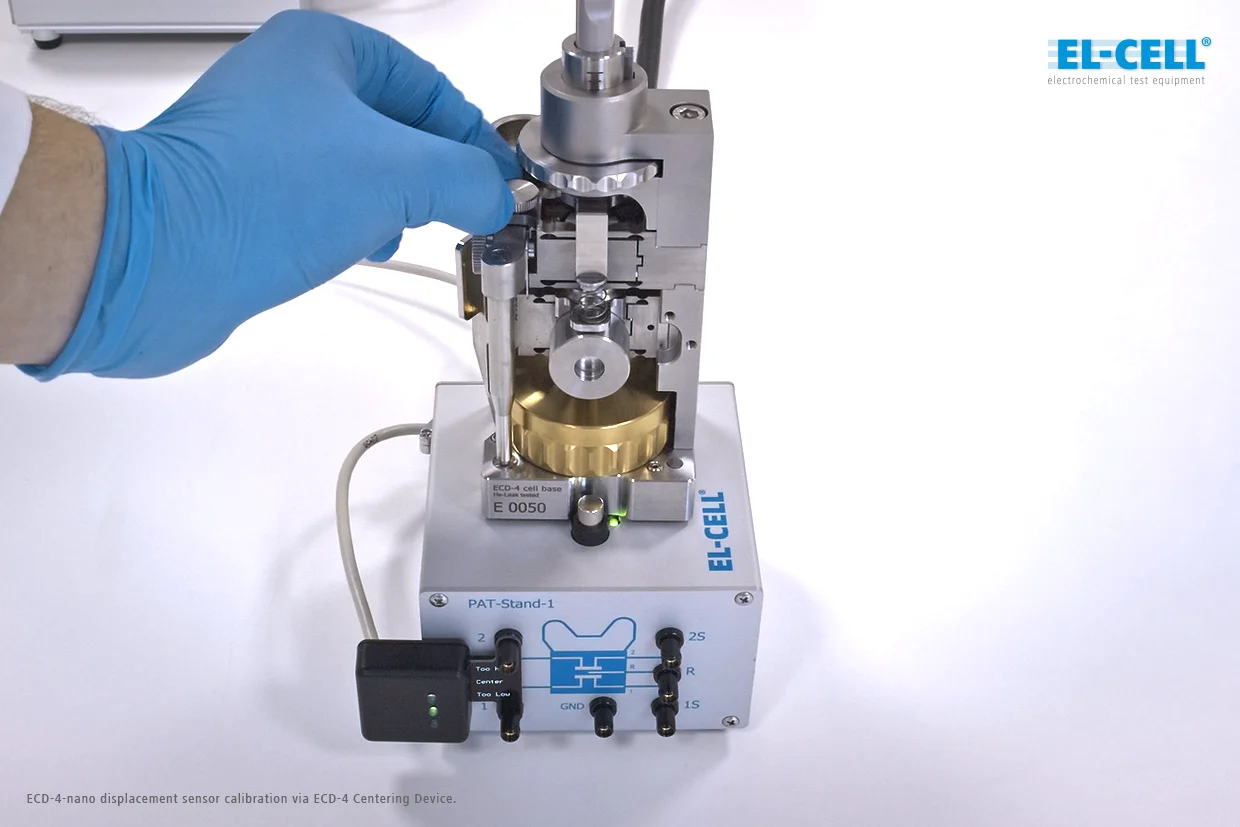
- Adjustment of the sensor head. New optional ECD-4 Centering Device for direct visual feedback (when using a PAT-Tester-x-8 as potentiostat)
- Rotation Lock for Allen wrench
- Frit Flange (improved protection against electrolyte spillage, improved height adjustment, reinforcement against deformation)
- Adjusted spacer disc diameter
Working Modes
Half-Cell Mode with reference electrode
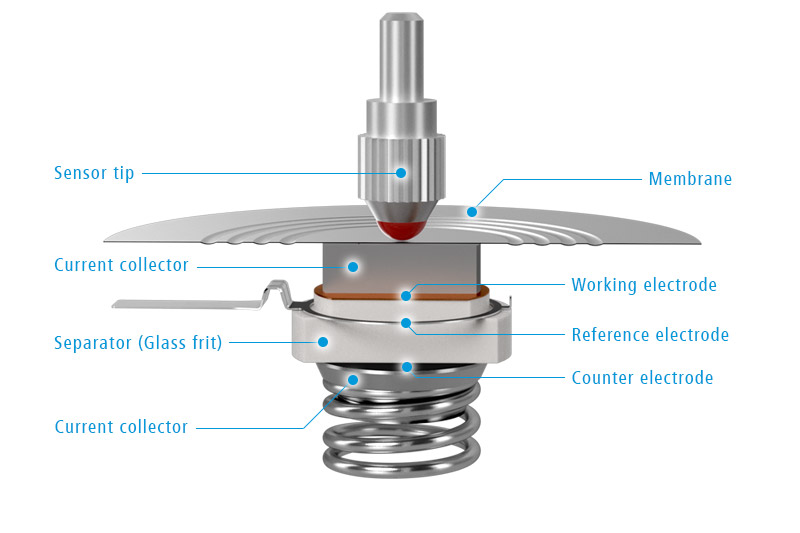
A stiff glass frit, soaked in electrolyte, separates the working electrode (WE) from the counter electrode (CE). The upper WE is sealed using a flexible metal membrane, through which any charge-induced thickness change is transmitted toward the sensor/load unit attached on top. The glass frit’s fixation ensures that only the thickness change of the working electrode is detected without interference from the CE.

Full-Cell Mode (2-electrode measurement)
Both electrodes are separated by a thin (a few 10 microns) separator. The cell stack is sealed at the top by a flexible metal membrane through which any charge-induced change in thickness is transmitted toward the sensor/load unit mounted above. The lower electrode rests on a stainless steel current collector. In this setup, the thickness change of the entire cell stack is recorded.
The optional ECD-4 Full Cell Kit is required for this setup. See the accessories section for morge details.
Specifications

| Length | 77 mm | |
| Width | 68 mm | |
| Height with/without attached sensor cable | 272 / 173 mm | |
| Weight | 2 kg | |
| Electrode diameter | max. 10 mm | |
| Electrode thickness | Half cell mode: max. 1 mm | |
| Full cell mode: max. 1 mm (combined value for electrodes and separator) | ||
| Glass T-Frit (Separator) | Diameter 12.5 mm / 10 mm Thickness 3.5 mm | |
| Separator diameter (full cell mode) | max. 10 mm | |
| Cell electrolyte volume | approx. 240 μl with T-frit (half cell mode) | |
| approx. 40 μl in full cell mode | ||
| Dead volume | 6,2562 ml | |
| Gas pressure sensor: | 0 to 3 bar abs. | |
| Temperature sensor | -20 to 80° C | |
| Chemical compatibility | Aprotic organic electrolytes | |
| Operational temperature range (cell and sensor) | -20 to 80° C | |
| Operational temperature range (conditioning electronics and data logger) | 0 to 40 °C | |
| Load on test specimen | approx. 1 to 15 Newton | |
| Displacement sensor type: | Capacitive | |
| Displacement range: | 250 μm | |
| Displacement resolution: | ≤ 5 nm |
| Features of the ECD-4-nano | ||||||
| Docking / Test station | Charge | Discharge | Impedance | Expansion | Gas pressure | Temperature |
| PAT-Stand-1 | * | |||||
| PAT-Tester-x-8 | * | |||||
| *ECD Sensor box required |
Documentation
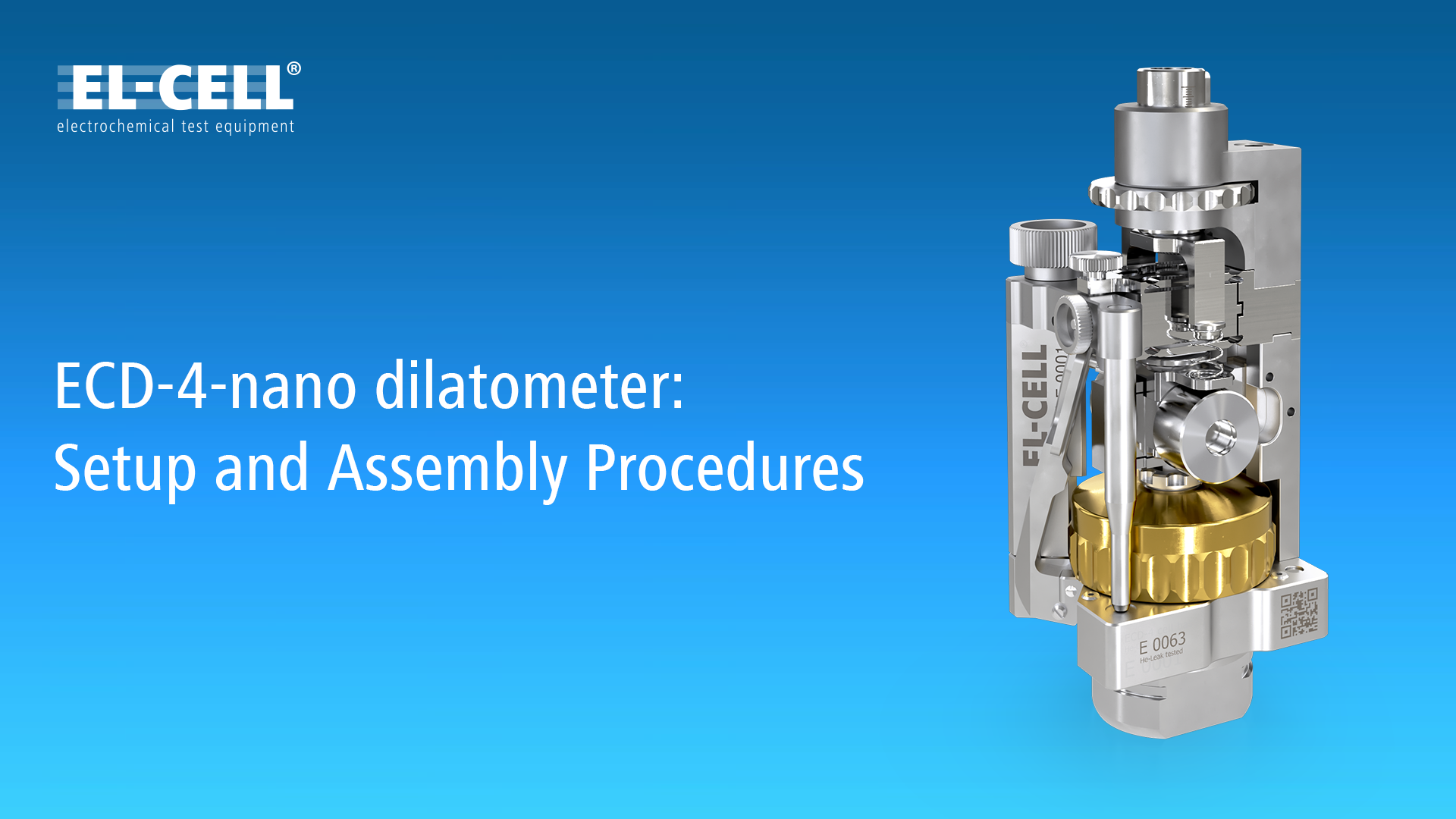
ECD-4-nano Setup and Assembly Procedures (04/2026)
In this video, we walk you through all the steps to set up and commission the latest version of the ECD-4-nano dilatometer.
Battery Test Cell for Measuring Gas Evolution / Consumption
The ECD‑4‑nano is a high‑resolution electrochemical dilatometer for quantifying thickness changes with a resolution of better than 5 nanometers. It can measure either the thickness change of the individual electrode or that of the cell stack consisting of anode and cathode. Its capacitive parallel plate sensor offers exceptional stability and sensitivity while the force applied to the electrode can be continuously adjusted between 1 and 15 N (up to 20 N/cm²). This means that even single-sided coated and heavily calendered electrodes, which can bend significantly during charging, can be measured.
Additional sensors for gas pressure and temperature are installed as standard, supplementing the options for sample characterization.
The test cell features a corrosion‑resistant base and offers superior tightness against ambient athmosphere, enabling stable long‑term operation and compatibility with a wide range of electrolytes. The ECD‑4‑nano is connected cablelessly to the PAT socket of a PAT-tester-x-8 or PAT‑Stand‑1 to minimize cable‑induced artifacts and simplify handling and installation. The integrated PAT-Button enables automatic cell detection in EL-Software.
ECD-4-nano Overview
Typical Use Cases
- Measuring the Expansion of a Single Electrode (3‑electrode Setup)
- Measuring the Expansion of the Full Cell Stack (2‑electrode Setup)
- Electrochemical testing with aprotic electrolytes
Features
Capacitive displacement sensor (range 250 μm, resolution ≤ 5 nm)
Additional gas pressure (0 to 3 bar) and temperature sensor (-20 to 80° C) Cableless cell connection for easy handling and low setup time Adjustable force on electrode/cell stack (1 to 15 N) PAT-Button for automatic cell identification in EL-SoftwareSpecifications
| Length | 77 mm | |
| Width | 68 mm | |
| Height with/without attached sensor cable | 272 / 173 mm | |
| Weight | 2 kg | |
| Electrode diameter | max. 10 mm | |
| Electrode thickness | Half cell mode: max. 1 mm | |
| Full cell mode: max. 1 mm (combined value for electrodes and separator) | ||
| Glass T-Frit (Separator) | Diameter 12.5 mm / 10 mm Thickness 3.5 mm | |
| Separator diameter (full cell mode) | max. 10 mm | |
| Cell electrolyte volume | approx. 240 μl with T-frit (half cell mode) | |
| approx. 40 μl in full cell mode | ||
| Dead volume | 6,2562 ml | |
| Gas pressure sensor: | 0 to 3 bar abs. | |
| Temperature sensor | -20 to 80° C | |
| Chemical compatibility | Aprotic organic electrolytes | |
| Operational temperature range (cell and sensor) | -20 to 80° C | |
| Operational temperature range (conditioning electronics and data logger) | 0 to 40 °C | |
| Load on test specimen | approx. 1 to 15 Newton | |
| Displacement sensor type: | Capacitive | |
| Displacement range: | 250 μm | |
| Displacement resolution: | ≤ 5 nm |
Recommended Potentiostats/PAT docking stations
| Features of the ECD-4-nano | ||||||
| Docking / Test station | Charge | Discharge | Impedance | Expansion | Gas pressure | Temperature |
| PAT-Stand-1 | * | |||||
| PAT-Tester-x-8 | * | |||||
| *ECD Sensor box required |
Documentation
Consumables
| Name | Order No. | Order | |
 | PE Sealing, 10 pcs. | ECC1-06-0043-A/X | Buy online |
 | T-Frit 10 mm/12.5 mm/3.5 mm, 10 pcs. | ECC1-06-0041-A/X | Buy online |
 | Reference Ring II, Li coated, ECD-4-nano, 10 pcs. | ECC1-01-0078-B/X | Buy online |
| Reference Ring II, Na coated, ECD-4-nano, 10 pcs. | ECC1-01-0078-D/X | Buy online |
Accessories
ECD-4 full cell kit (Order no.: ECC1-00-0379-A )
This optional set contains all parts needed for measuring the expansion of full cell stack in the ECD-4-nano.
Cell assembly block III (Order no.: ECC1-02-0045-A )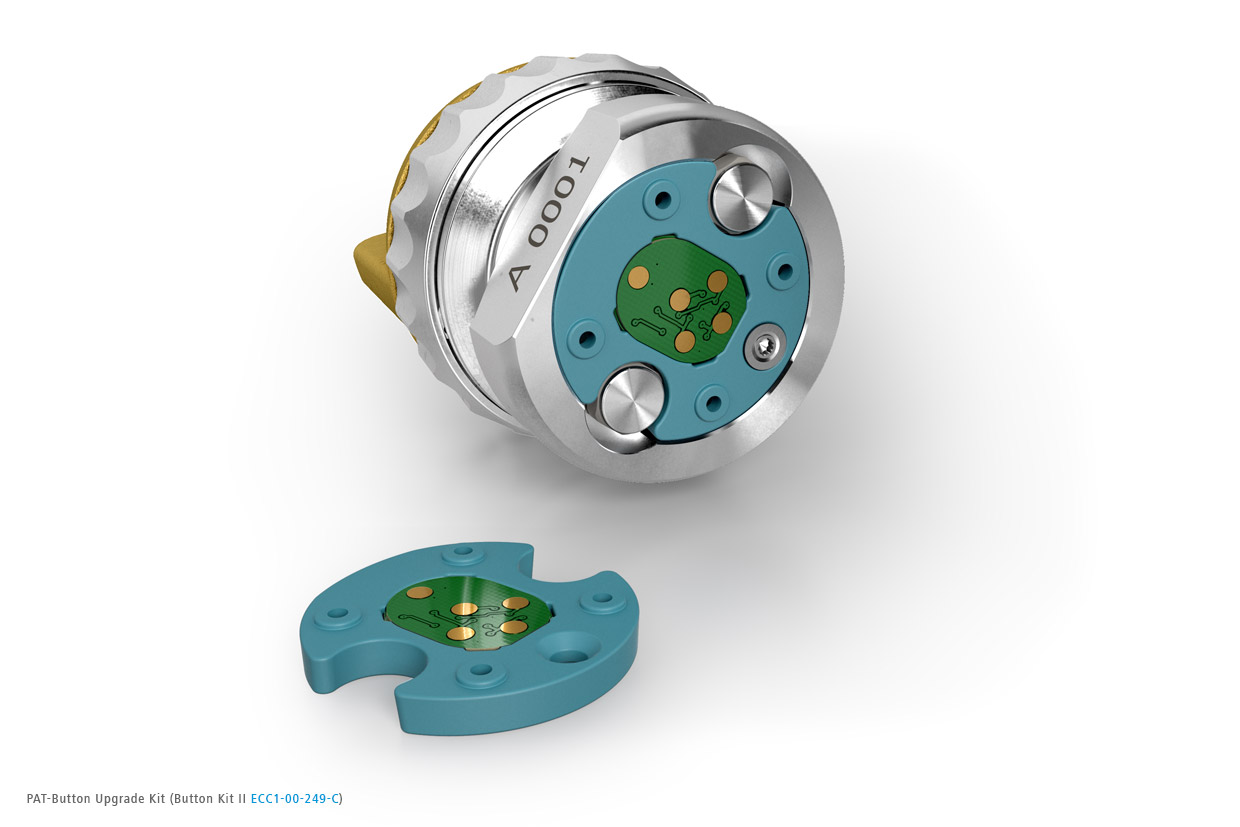
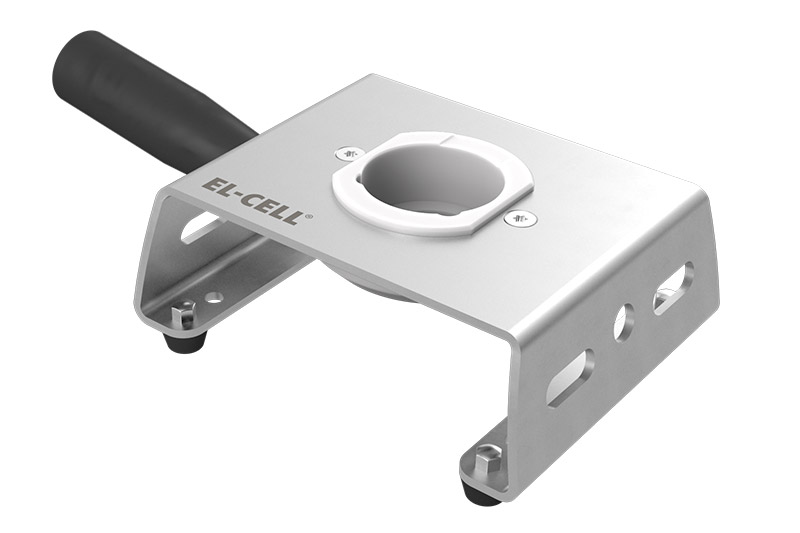 The Cell Assembly Block enables safe working with torque wrenches without the test cell slipping away. It fits all battery test cells in the PAT series.
ECD-4 Centering Device (Order no.: ECE1-00-0400-A)
 The ECD-4 Centering Device is an optional accessory that can be mounted on the PAT-Stand-1 docking station. It provides direct visual feedback on the set sensor position. To use this device, you must connect the PAT-Stand-1 to a PAT-tester-x-8 potentiostat. The Centering device can remain permanently connected to the PAT-Stand-1.
Spare parts
ECD-4-nano
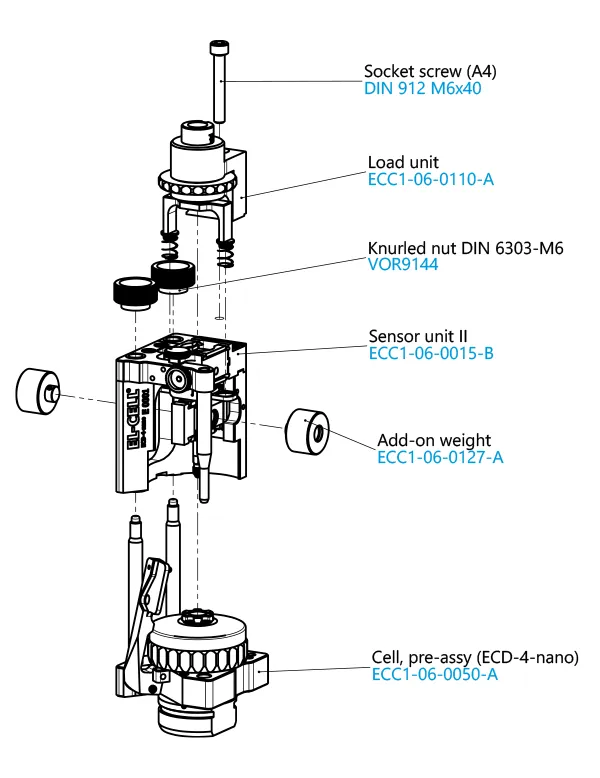
Cell base
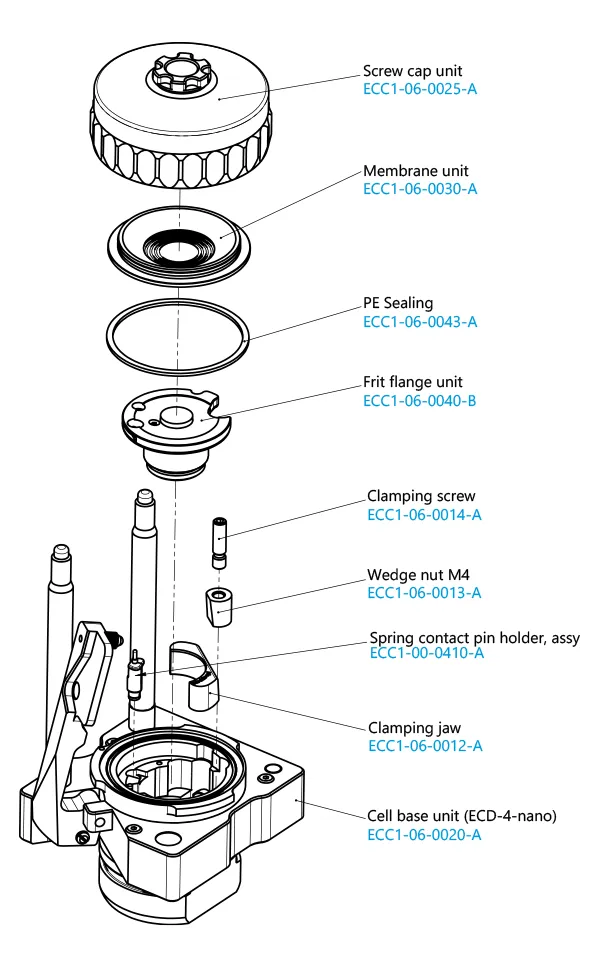
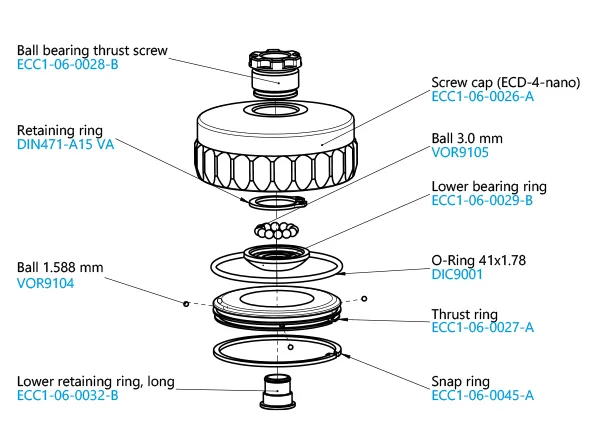
Screw Cap Unit
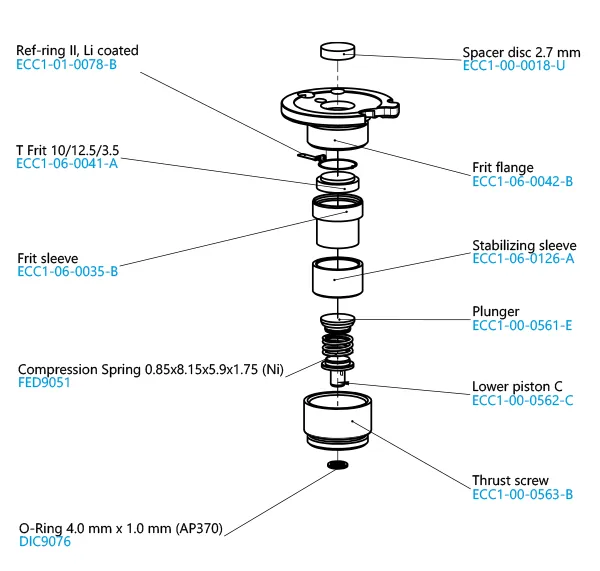
Frit Flange Unit
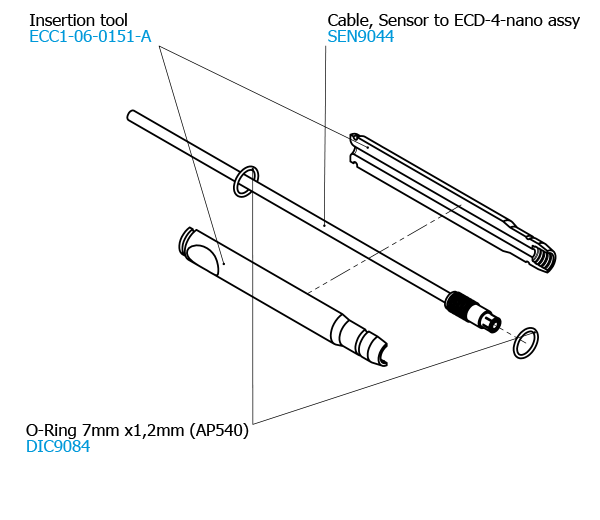
Sensor Cable
Sample Test Results
Accessories, Consumables & Spare Parts
ECD-4 full cell kit (Order no.: ECC1-00-0379-A )
This optional set contains all parts needed for measuring the expansion of full cell stack in the ECD-4-nano.
Cell assembly block III (Order no.: ECC1-02-0045-A )
ECD-4 Centering Device (Order no.: ECE1-00-0400-A)
The ECD-4 Centering Device is an optional accessory that can be mounted on the PAT-Stand-1 docking station. It provides direct visual feedback on the set sensor position. To use this device, you must connect the PAT-Stand-1 to a PAT-tester-x-8 potentiostat. The Centering device can remain permanently connected to the PAT-Stand-1.
| Name | Order No. | Order | |
| PE Sealing, 10 pcs. | ECC1-06-0043-A/X | Buy online |
| T-Frit 10 mm/12.5 mm/3.5 mm, 10 pcs. | ECC1-06-0041-A/X | Buy online |
| Reference Ring II, Li coated, ECD-4-nano, 10 pcs. | ECC1-01-0078-B/X | Buy online |
| Reference Ring II, Na coated, ECD-4-nano, 10 pcs. | ECC1-01-0078-D/X | Buy online |
ECD-4-nano
Cell base
Screw Cap Unit
Frit Flange Unit
Sensor Cable
Recommended tools
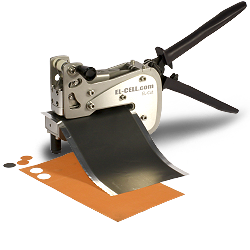
EL-Cut
High precision cutting pliers to eliminate torn and chipped electrode edges. Recommended diameter size for use with the ECD-4-nano is 10 mm.
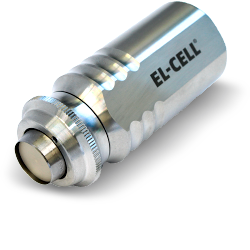
ECC-LiPunch
Punching tool for lithium foil. The recommended size for use with the ECD-4-nano is 10 mm.
Related products
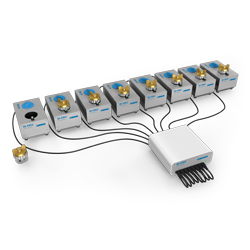
PAT-Tester-x-8
Modular multi-channel potentiostat for special and small-scale testing
Product details